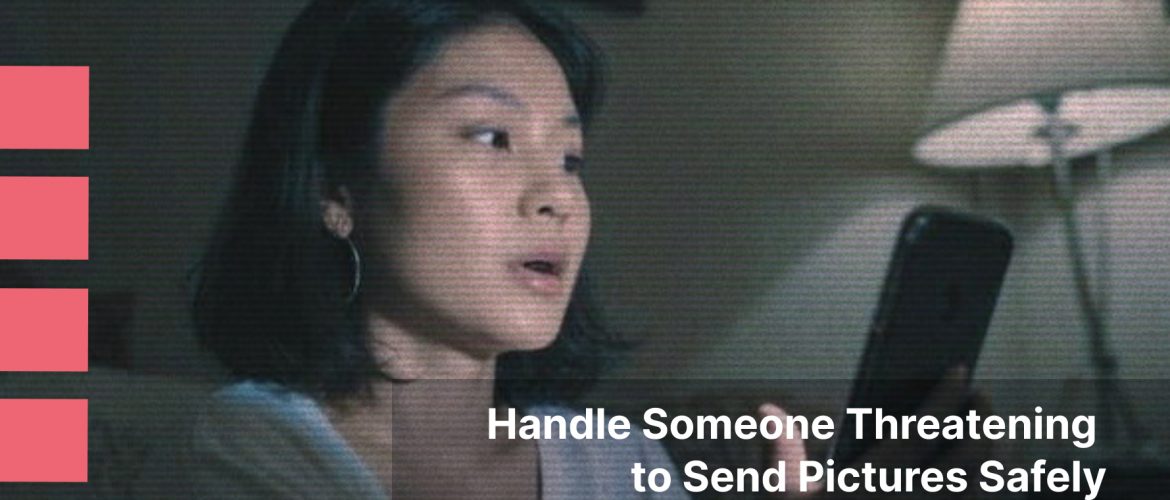
You open your phone and see a message that makes your stomach drop. Someone is threatening to send private pictures of you that were never meant to be seen by anyone else. This happened to a close friend of mine during what should have been a quiet evening at home. She froze at first, heart racing, then she took control. Situations like this, often called sextortion, strike suddenly and rely on fear. But you are not powerless here. Let me walk you through it, calmly and honestly, because no one should face this alone.
Facing Someone Threatening to Send Pictures
Start by staying calm, even when every instinct tells you not to. Panic clouds judgment, and that is exactly what the threat depends on. My friend almost replied in anger but stopped herself. Instead, she paused and thought. These threats are about control, usually for money or more images. It feels personal and invasive, but many people get through this and come out stronger. You can too.
Quietly gather evidence. Save every message, screenshot conversations, and record dates and times. Store everything securely so you do not alert the person. Think of it as assembling a puzzle. Each piece strengthens your position. Avoid direct confrontation, which can escalate things. If you must reply, keep it vague and buy time while you plan your next steps.
Reach out for help early. Cyber investigators who specialize in online abuse understand digital trails and pressure tactics. They can advise you, trace sources, and help remove content if it spreads. Acting quickly limits damage. Digital safety organizations also offer support and guidance without judgment.
Preserving Your Proof Effectively
Evidence matters. Capture full message threads with sender details. Save any images or videos involved and keep them secure. If possible, make backups, including printed copies stored privately. Note patterns in timing or demands. Record how the situation affects your sleep, work, and daily life. Do not alter anything. Authentic records carry weight. If money is involved, document payment demands or attempts. Investigators may analyze metadata to identify sources. Keep backups in more than one place so nothing is lost. Preparation gives you back control.
Steps to Remove Harmful Content
Once your evidence is safe, focus on removal. If images are already online, report them immediately to the platforms involved and explain that the sharing is non consensual. Follow platform instructions carefully and stay persistent. Content is often removed quickly when reports are clear.
If the threat has not been carried out yet, prevention matters. Continue delaying while investigators step in. Some services can make images harder to find online by hashing them. If you are under eighteen, special protections and helplines apply. Adults can use digital safety organizations for similar help. Avoid trying to remove everything yourself if it could alert the person. Let professionals handle it to reduce risk.
Seeking Support and Building Resilience
Support makes a real difference. Tell someone you trust. Sharing the burden brings clarity and relief. Professional help adds another layer. Cyber investigators often provide emotional guidance alongside technical help.
Counseling for online trauma can help rebuild confidence. Many free options exist. Create a simple safety plan and tighten privacy settings on your accounts. Think about boundaries going forward and what consent means to you online. Awareness brings strength. Be patient with yourself. Healing takes time and looks different for everyone.
Legal Pathways Without Escalation
Know your rights. In many places, sharing intimate images without consent is illegal, and threats can qualify as extortion. Avoid rushing into confrontation. Consult experts first. Protective orders may be available to prevent contact or sharing, often without fees. Victim assistance programs may also help cover recovery costs. Laws evolve, and staying informed helps you feel less alone and more protected.
Preventing Future Threats
Prevention starts with awareness. Use strong privacy settings, think carefully before sharing sensitive content, and learn common scam patterns. Talk openly about boundaries and remember that consent can always be withdrawn. For young people, supportive education without judgment is essential. Stay alert, but do not let fear take over your life.
Emotional Recovery
Recovery is more than practical steps. Acknowledge your emotions and let them exist without judgment. Writing, movement, and connection help release tension. Support groups can reduce isolation. Gradually return to things you enjoy. Growth often follows hardship. Professional therapy can speed healing and help you move forward with confidence.